


 Magento eCommerce Themes & Templates
eCommerce Themes & Templates meta_description: Build high-converting Magento eCommerce stores with flexible themes for general online shops. Mobile-first Magento 2 ecommerce templates with clean UX, mega menus and SEO-ready layouts to grow organic traffic across multiple product categories.



Storefront basics
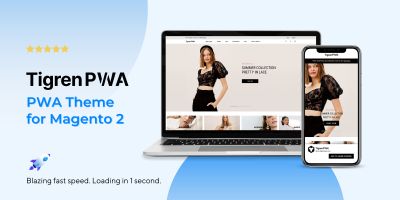
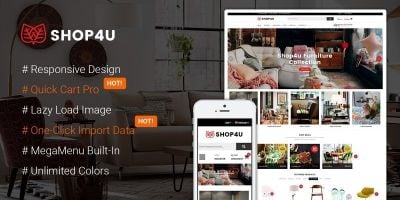
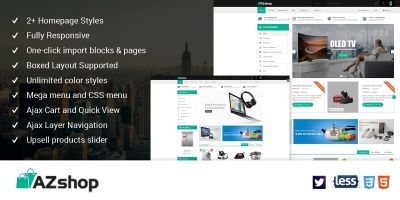
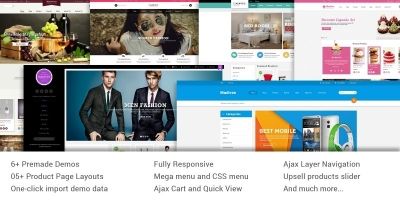
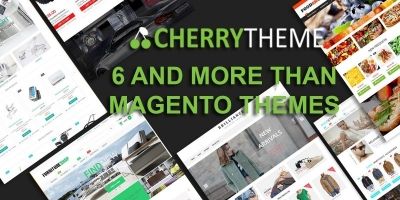
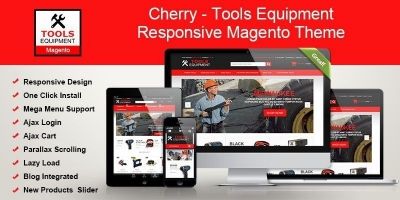
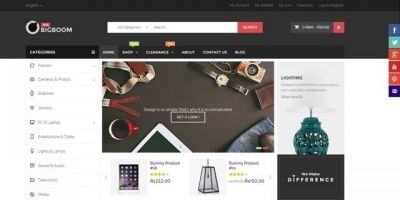
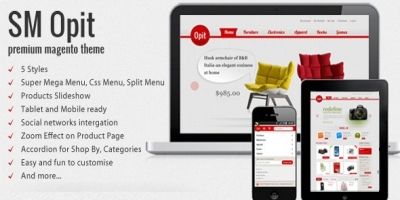
Some Magento shops focus on a single niche, but many start out – or end up – selling a mix of products across several categories. The eCommerce Magento themes in this section are built as flexible, multi-purpose storefronts. They give you a strong baseline for navigation, merchandising and SEO whether you are launching a small online shop or replatforming a larger catalogue.
Most themes include at least one “classic” homepage layout with hero banners, featured categories, bestsellers and content rows you can toggle on or off. As your range grows, you can switch to more modular designs with rows for brands, seasonal campaigns or curated collections. Because these templates are built specifically for Magento 2, they usually respect the platform’s layout system and make it easier to adjust blocks without hacking core files.
When you are comparing general Magento ecommerce templates, it is worth checking:
- How the mega menu handles deep category structures and brands.
- Whether product listing pages keep filters visible and fast to use.
- How cart, mini-cart and checkout flows look on mobile devices.
- What kind of blog or landing page layouts are included for content marketing.
SEO for broad ecommerce stores can get messy if you are not careful. Start by mapping out a clear set of top-level categories and sticking to descriptive naming instead of vague labels. A solid theme from the main Magento themes overview gives you semantic HTML, breadcrumbs and sensible heading levels so that search engines can follow your structure. From there, you can use ideas from the MGT-Commerce Magento 2 templates article and the official Google SEO starter guide to fill in the gaps.
If a large chunk of your catalogue revolves around a specific sector – for example fashion, electronics or jewellery – you can mix this layout with more targeted designs from the fashion, technology or jewelry Magento theme categories. Internal links between those clusters and your “all products” or brand hubs can help both shoppers and crawlers understand how everything connects.
For product launches, sales events or single-purpose funnels, you may still want dedicated landing pages with fewer distractions than a full category layout. Many store owners pair their Magento shop with pages built from the HTML landing page templates or more general website templates & themes section. As long as you point visitors back to core categories and keep branding consistent, this split approach works well in practice.
Choosing a multi-purpose Magento ecommerce theme is less about finding something flashy and more about picking a layout that will not fight you as your store evolves. The options in this category lean on proven UX patterns – clean grids, obvious CTAs, familiar navigation – so you can spend your time on content, pricing and customer service rather than on redesigning the framework every few months.