


 Business Identity Templates
Download ready-to-use Business Identity Templates. Brand identity, corporate identity, and branding kit ready to download. Ideal for new brands and rebrands, with files in PSD and AI. Customize fast, keep your visuals consistent, and ship sooner.


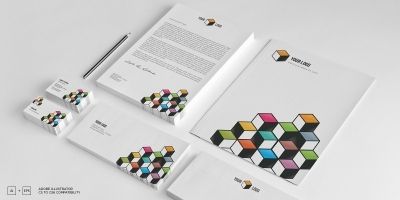
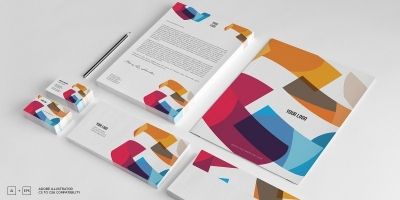
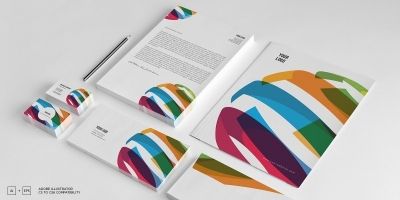
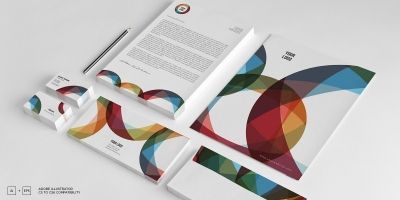
More about Business Identity Templates
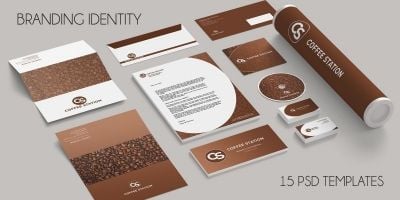
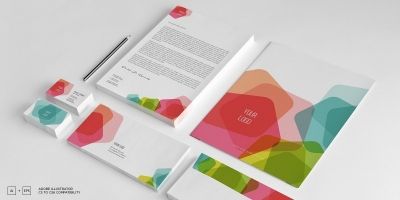
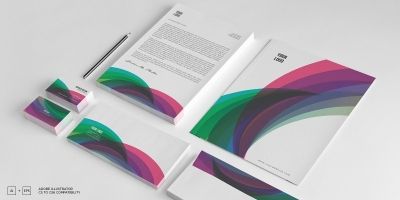
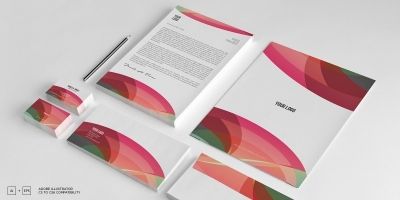
If you’re putting together new brands or polishing a rebrands, the right brand identity templates makes the whole project feel more intentional. This collection brings together brand identity, corporate identity, and branding kit that you can drop into your workflow and customize without drama. Expect practical files in PSD and AI, plus previews that make it easy to compare styles. Whether you’re building for clients or shipping your own product, you’ll find options that look modern, stay consistent, and save you time.
Working on a full print set? Pair this with Print, Business Card Templates, Brochure Templates, and Product Mockups for a consistent rollout.
Inside this collection
- brand identity and corporate identity designed to stay readable at real-world sizes.
- Files in PSD / AI so you can tweak colors, layers, and typography.
- Styles that work for new brands and rebrands — from clean and minimal to bold and playful.
- Print-friendly layouts with room for safe margins, bleed, and clear information hierarchy.
- Useful variations such as letterhead template and stationery design for common project needs.
- Community-made downloads that are easy to compare using sorting and filters on the page.
Where these files shine
Creators use brand identity templates for everything from quick prototypes to polished releases. These are especially useful for:
- new brands
- rebrands
- client brand kits
- stationery sets
- marketing teams
Files, formats & editing
Most downloads are delivered in familiar formats such as PSD, AI, PDF and INDD. That means you can edit in your preferred tools and export exactly what your project needs. For print, double-check document size, bleed, and CMYK before exporting a final PDF. A quick proof prevents surprises.
How to choose the right files
Choose with the end use in mind. If it’s going on mobile, test at real size. If it’s for print, think margins and safe areas. For games, consider readability against busy backgrounds and whether the asset supports different resolutions. The best pick is the one that will still look good after you’ve swapped in your own colors, icons, and copy.
Things to double-check
This stuff is easy to skip when you’re in a hurry, but it pays off. A two‑minute check now can save an afternoon of fixes later.
- Open the source file once before you commit — it’s the fastest way to spot messy layers or missing assets.
- Check for consistency: spacing, alignment, and style details should match across the pack.
- Make sure text is editable (or easy to replace) and key elements are grouped logically.
- Confirm dimensions and safe area, then double-check bleed before exporting a final PDF.
- Scan for tiny text and thin lines — some printers won’t reproduce them cleanly.
Workflow tips
Most projects get messy when assets live in ten different places. Centralize your downloads, keep source files separate from exports, and write down a couple of rules for sizing and spacing. It’s not glamorous, but it’s the difference between a quick update and a half-day cleanup later.
Practical tip: Build a one-page brand cheat sheet (logo rules, colors, type). When everyone uses the same reference, the whole identity stays consistent.
FAQ
- What does “print-ready” usually mean? Correct dimensions, bleed, and high resolution — often 300 DPI for raster assets.
- Should I use CMYK? For professional printing, CMYK is the safest choice. Convert before final export if needed.
- How do I avoid cut-off text? Keep critical text inside the safe area and double-check trim lines before exporting.
Related categories on Codester
- Logo templates
- Business card templates
- Brochure templates
- Product mockups
- Website templates & themes
- Graphics marketplace
References & guides
Want to dig deeper or align with common conventions? These references are handy while you customize:
If you’re comparing options, use the sorting controls (popular/new) and open a couple of files side-by-side. A quick real-world test in your project will usually tell you more than screenshots alone.
Scroll through the collection, compare styles, and download the pieces that match your project. Many creators update their packs over time, so it’s worth bookmarking the categories you use most. For a consistent look, combine assets from adjacent categories and keep a simple style guide for your team or clients.