


 Shopify Fashion Themes


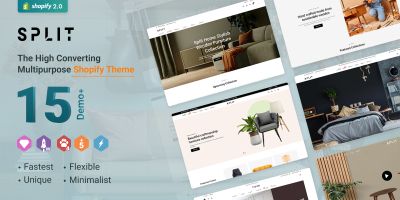
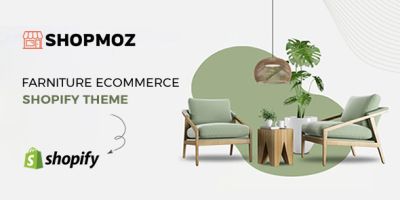
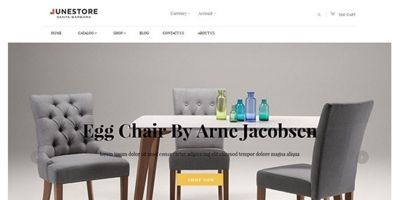
Furniture & decor
Codester’s Shopify furniture themes are aimed at home decor, interiors and lifestyle brands that sell higher-ticket items where detail and trust are critical. Customers want to visualise how a sofa, table or lamp will look in their space; your theme needs to support that with strong imagery, intuitive navigation and clear information.
These layouts usually pair big, editorial imagery with structured product grids organised by room or style – living room, bedroom, dining, office, outdoor. Many also include inspiration sections, room bundles and lookbooks so shoppers can browse by mood as well as by category. Because they are built for Shopify Online Store 2.0, you can rearrange sections, create new templates and run campaigns without touching code.
When you review furniture Shopify templates, keep an eye on:
- How spec-heavy product pages feel once you add dimensions, materials and care info.
- Support for multiple images, lifestyle shots and close-ups per product.
- Room, style and material filters on collection pages to speed up discovery.
- Upsell areas for matching items, bundles and “complete the room” suggestions.
- Helpful microcopy around delivery, assembly, returns and warranties.
Search traffic for furniture is often long-form and intent-driven – think “oak dining table for 8”, “corner sofa small living room” or “minimalist home office furniture Shopify store”. Look for themes with clean, semantic HTML and flexible content blocks so you can build landing pages for rooms, styles and price points. Articles that answer questions about sizing, layout and materials can link directly into your key collections and the broader Shopify themes ecosystem on Codester.
If your assortment spans decor, textiles or lifestyle products, connect your furniture collections with other verticals via internal links. For example, a furniture-focused theme can sit alongside a fashion store powered by Shopify fashion themes or a gift shop using miscellaneous Shopify themes. That kind of cross-linking helps search engines understand how your different properties relate and gives shoppers a natural path between them.
Before you launch, sanity-check performance with tools highlighted in the Shopify theme speed guide and Google’s Core Web Vitals. Large lifestyle images, 3D models and video can quickly slow a store down if they’re not optimised. Getting the technical base right makes it easier to scale traffic from search, social and marketplace ads without running into conversion-killing bottlenecks.
Once a reliable furniture Shopify theme is in place, you can focus on what actually moves the needle: better photography, richer product detail, clear policies and strong post-purchase communication. The template becomes the stage; your merchandising and service do the selling.