


 Game Interface Graphics
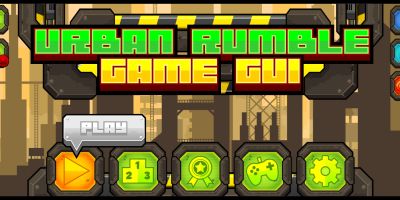
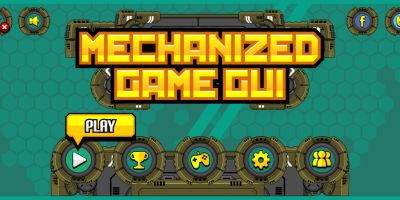
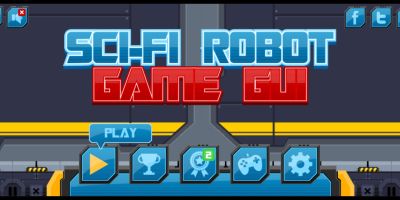
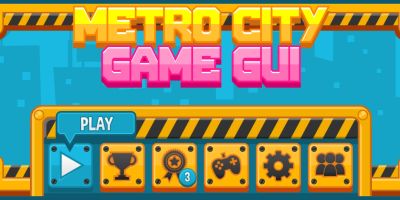
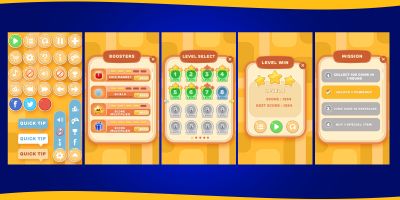
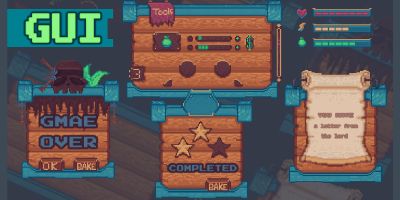
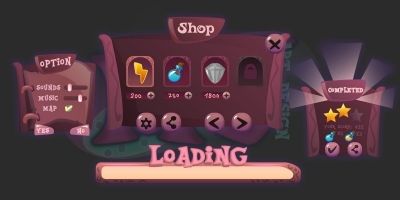
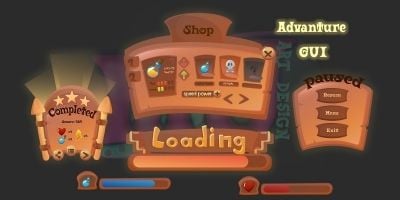
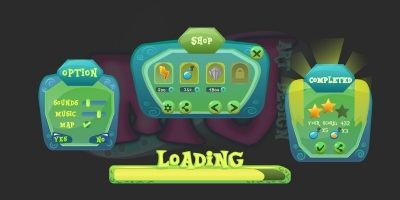
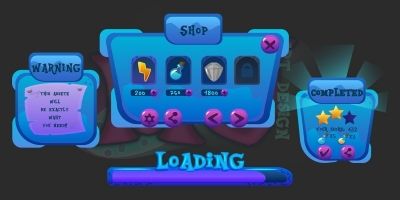
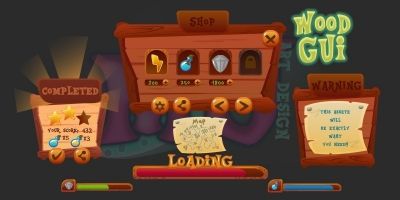
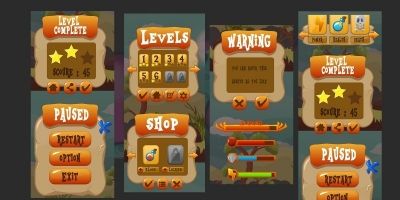
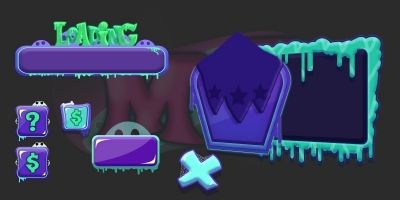
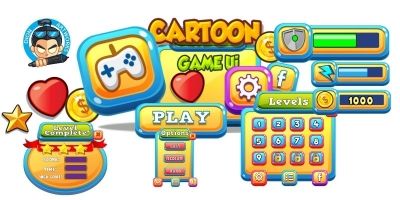
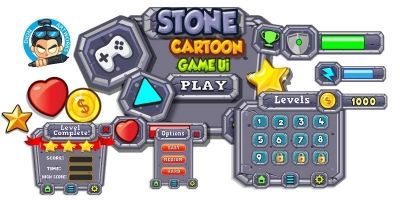
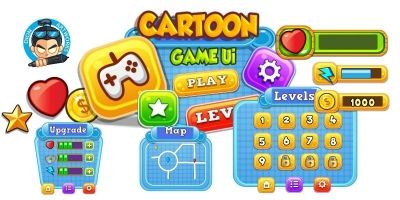
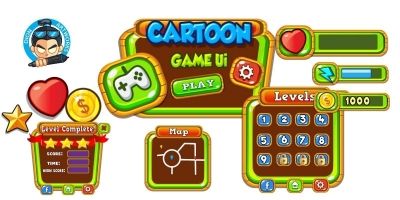
Browse 89 game interface graphics to help you create your next game. Game UI, HUD, and UI buttons ready to download. Ideal for HUDs and menus, with files in PNG and PSD. Customize fast, keep your visuals consistent, and ship sooner.





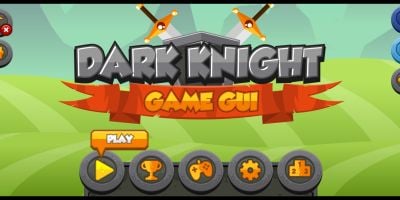
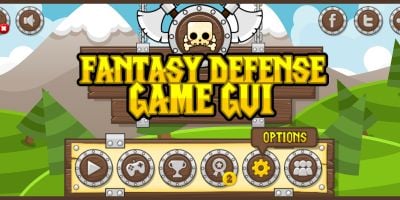
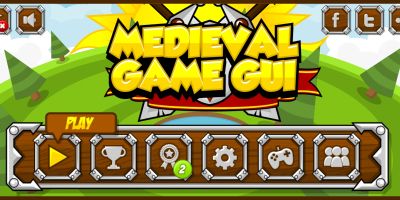
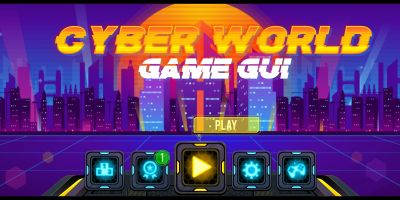
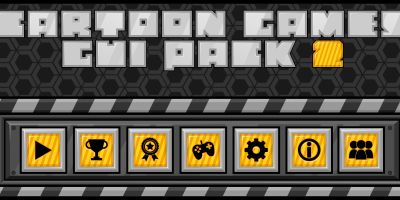
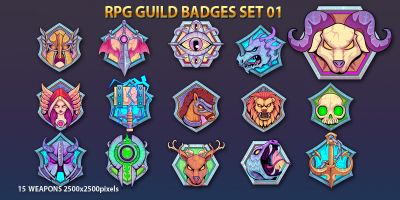

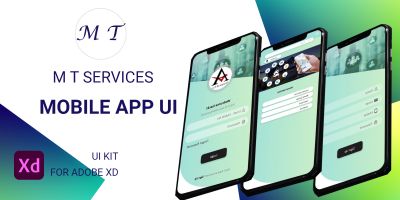
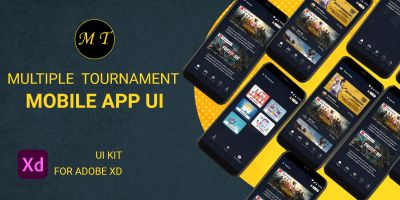
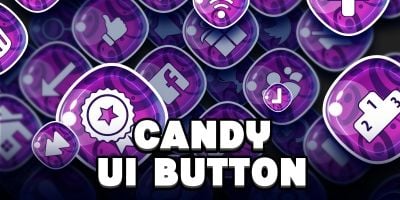



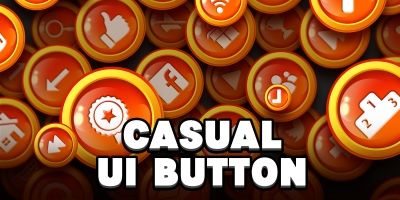
More about Game Interface Graphics
Need game UI graphics that doesn’t look like it came from the same tired template folder? You’re in the right place. Browse designs focused on game UI and HUD, with plenty of UI buttons mixed in. Files are typically available in PNG or PSD, which makes handoff and editing straightforward. Use them for HUDs, menus, or anything that benefits from a clean, professional finish.
Building a full game kit? Combine this category with Game Assets, Textures & Patterns, and Unity Assets & Templates to keep art and implementation aligned.
Included in this category
- game UI and HUD designed to stay readable at real-world sizes.
- Files in PNG / PSD so you can tweak colors, layers, and typography.
- Styles that work for HUDs and menus — from clean and minimal to bold and playful.
- Game-ready assets that can be adapted for different resolutions and UI scales.
- Useful variations such as health bar and inventory UI for common project needs.
- Community-made downloads that are easy to compare using sorting and filters on the page.
Where these files shine
Creators use game UI graphics for everything from quick prototypes to polished releases. These are especially useful for:
- HUDs
- menus
- inventory screens
- mobile game UI
- ARPG overlays
- strategy panels
Formats & compatibility
Most downloads are delivered in familiar formats such as PNG, PSD, SVG and sprite sheets. That means you can edit in your preferred tools and export exactly what your project needs. Check layer structure and naming. Well-organized files are faster to customize and easier to maintain.
How to choose the right files
Before you download, do a quick match-check. Look for consistent spacing, alignment, and a style that fits your brand or game world. If you’re mixing assets, consistency matters more than novelty — stroke width, corner radius, and color palette should feel related. Also check whether the file format suits your workflow: editable sources are great for deep customization, while clean exports are perfect for fast implementation.
Quality checklist
This stuff is easy to skip when you’re in a hurry, but it pays off. A two‑minute check now can save an afternoon of fixes later.
- Open the source file once before you commit — it’s the fastest way to spot messy layers or missing assets.
- Check for consistency: spacing, alignment, and style details should match across the pack.
- Make sure text is editable (or easy to replace) and key elements are grouped logically.
- Preview the assets against a busy scene to confirm readability during gameplay.
- Keep an eye on file sizes; downscale exports where appropriate for mobile performance.
A cleaner workflow
Most projects get messy when assets live in ten different places. Centralize your downloads, keep source files separate from exports, and write down a couple of rules for sizing and spacing. It’s not glamorous, but it’s the difference between a quick update and a half-day cleanup later.
Practical tip: Test your HUD on top of the busiest gameplay screen you have. If it’s readable there, it’ll be readable everywhere.
Quick FAQ
- How do I choose quickly? Pick a style that matches your project, then test it in-context before committing.
- Are source files included? Many downloads include editable sources. Check the format list on each item page.
- What’s the fastest way to customize? Update colors and typography first; then adjust details like spacing and icons.
More categories to check
- All game assets
- Icons
- Textures & patterns
- 2D character sprites
- Game backgrounds
- Unity assets & templates
Helpful resources
Want to dig deeper or align with common conventions? These references are handy while you customize:
If you’re comparing options, use the sorting controls (popular/new) and open a couple of files side-by-side. A quick real-world test in your project will usually tell you more than screenshots alone.
Scroll through the collection, compare styles, and download the pieces that match your project. Many creators update their packs over time, so it’s worth bookmarking the categories you use most. For a consistent look, combine assets from adjacent categories and keep a simple style guide for your team or clients.