


 3D Game Objects
Browse 54 3D game objects to help you create your next game. 3D models, low poly models, and game props ready to download. Ideal for Unity and Unreal Engine, with files in FBX and OBJ. Customize fast, keep your visuals consistent, and ship sooner.






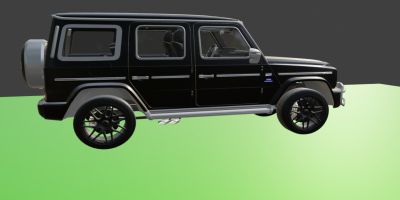


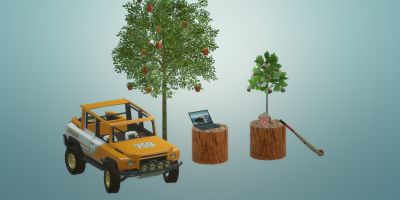

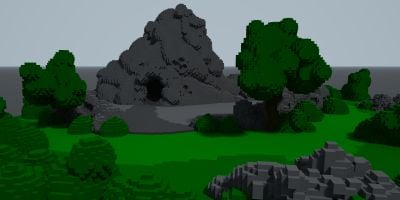
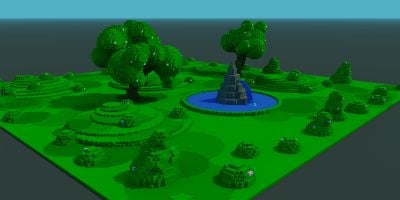
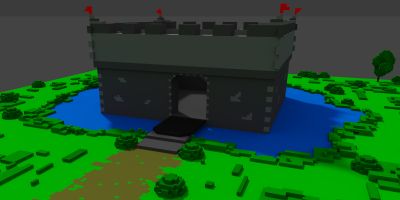
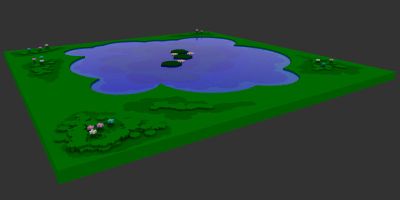
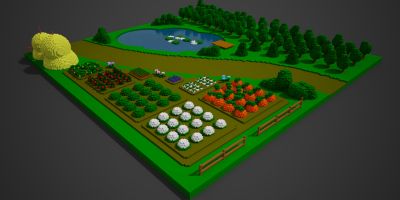
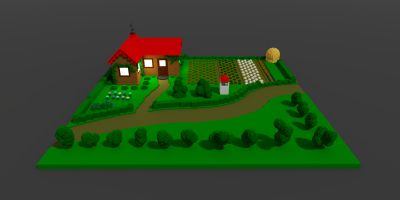
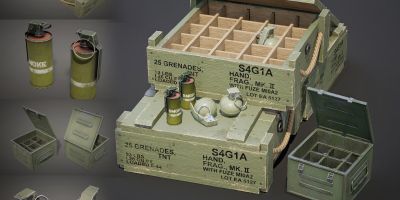


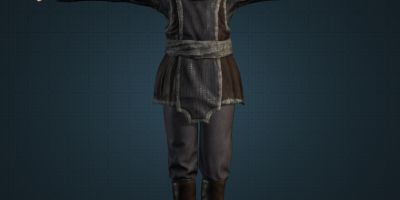



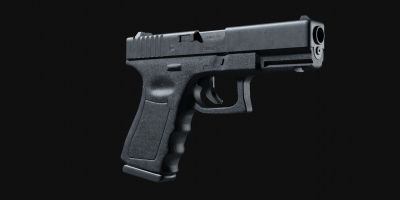



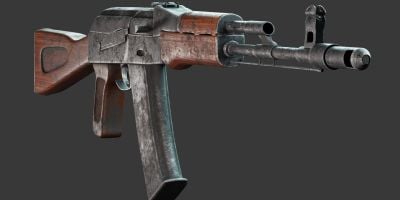

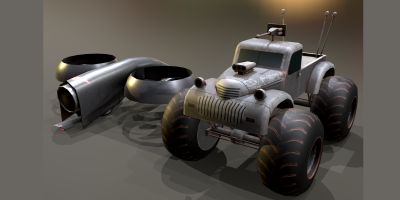
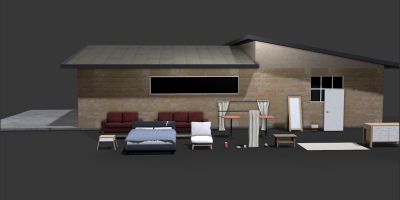
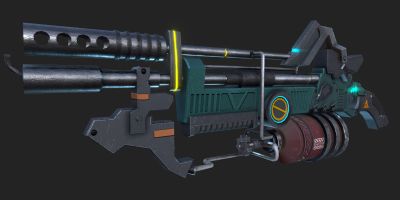
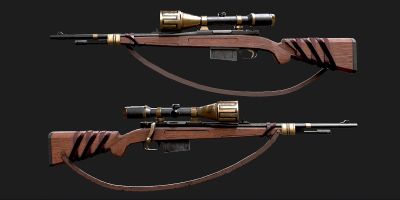
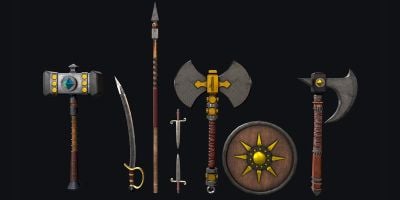
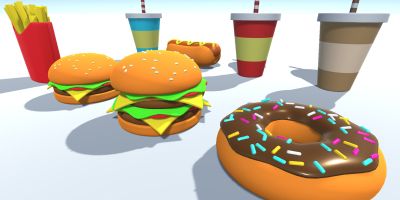
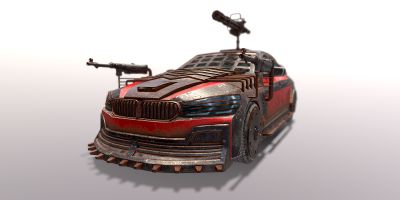
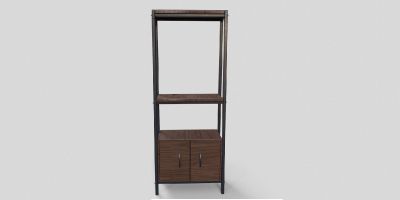




More about 3D Game Objects
Need 3D game objects that doesn’t look like it came from the same tired template folder? You’re in the right place. Browse designs focused on 3D models and low poly models, with plenty of game props mixed in. Files are typically available in FBX or OBJ, which makes handoff and editing straightforward. Use them for Unity, Unreal Engine, or anything that benefits from a clean, professional finish.
Building a full game kit? Combine this category with Game Assets, Textures & Patterns, and Unity Assets & Templates to keep art and implementation aligned.
Inside this collection
- 3D models and low poly models designed to stay readable at real-world sizes.
- Files in FBX / OBJ so you can tweak colors, layers, and typography.
- Styles that work for Unity and Unreal Engine — from clean and minimal to bold and playful.
- Game-ready assets that can be adapted for different resolutions and UI scales.
- Useful variations such as environment props and FBX models for common project needs.
- Community-made downloads that are easy to compare using sorting and filters on the page.
Where these files shine
Creators use 3D game objects for everything from quick prototypes to polished releases. These are especially useful for:
- Unity
- Unreal Engine
- Godot
- VR/AR demos
- level dressing
- prototype scenes
Formats & compatibility
Most downloads are delivered in familiar formats such as FBX, OBJ, GLTF and blend. That means you can edit in your preferred tools and export exactly what your project needs. For 3D, confirm scale and whether textures are included. Correct pivots save a lot of rework.
How to choose the right files
A small checklist goes a long way: does it scale well, does it read at small sizes, and is it easy to tweak? For templates, pay attention to grids and typography hierarchy. For graphical assets, check if layers are named and grouped logically. And if you’re buying for a team, pick a style that can carry through future pages and screens without looking out of place.
Things to double-check
This stuff is easy to skip when you’re in a hurry, but it pays off. A two‑minute check now can save an afternoon of fixes later.
- Open the source file once before you commit — it’s the fastest way to spot messy layers or missing assets.
- Check for consistency: spacing, alignment, and style details should match across the pack.
- Make sure text is editable (or easy to replace) and key elements are grouped logically.
- Inspect scale and pivot points; these affect placement and physics more than you’d expect.
- Check whether textures and materials are included and linked correctly.
Make it easy to reuse
Most projects get messy when assets live in ten different places. Centralize your downloads, keep source files separate from exports, and write down a couple of rules for sizing and spacing. It’s not glamorous, but it’s the difference between a quick update and a half-day cleanup later.
Practical tip: For 3D props, check scale and collision early. A model can look perfect, but tiny scale mismatches can break gameplay feel.
A few common questions
- How do I choose quickly? Pick a style that matches your project, then test it in-context before committing.
- Are source files included? Many downloads include editable sources. Check the format list on each item page.
- What’s the fastest way to customize? Update colors and typography first; then adjust details like spacing and icons.
More categories to check
- All game assets
- Textures & patterns
- Game backgrounds
- Product mockups
- Unity assets & templates
- Scripts & code
References & guides
Want to dig deeper or align with common conventions? These references are handy while you customize:
If you’re comparing options, use the sorting controls (popular/new) and open a couple of files side-by-side. A quick real-world test in your project will usually tell you more than screenshots alone.
Scroll through the collection, compare styles, and download the pieces that match your project. Many creators update their packs over time, so it’s worth bookmarking the categories you use most. For a consistent look, combine assets from adjacent categories and keep a simple style guide for your team or clients.